
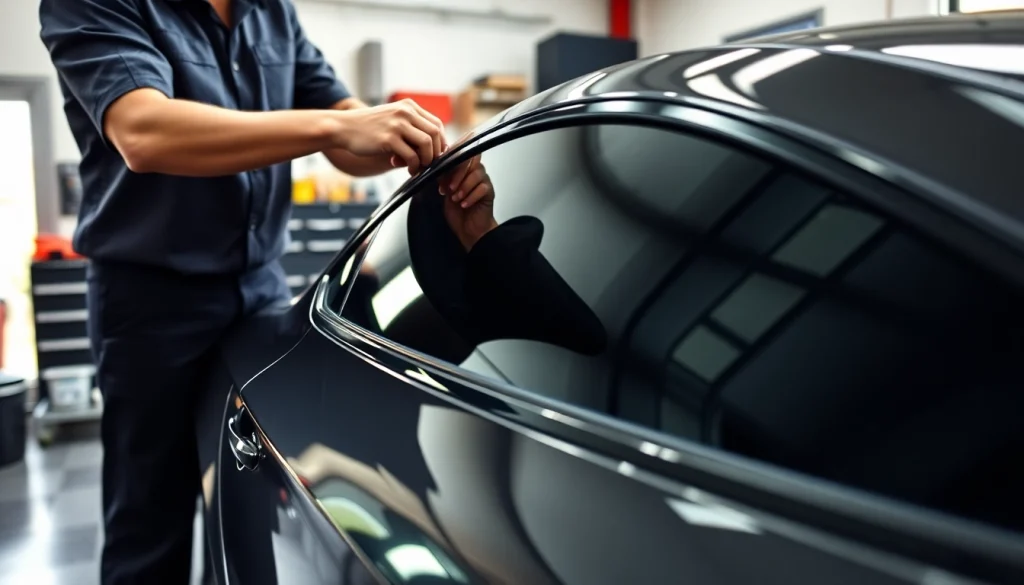
Understanding Ceramic Window Tint Benefits
What is Ceramic Window Tint?
Ceramic window tint is an advanced type of window film that incorporates ceramic nanoparticles to provide enhanced performance compared to traditional tints. Unlike dyed or metalized films, ceramic window tint offers superior durability, heat rejection, and UV protection, making it an ideal choice for vehicle and building windows alike. These tiny ceramic particles allow for high visibility while effectively blocking infrared light, reducing heat inside your vehicle or home without compromising comfort.
Key Advantages of Ceramic Window Tint
The advantages of ceramic window tint extend far beyond aesthetics. First and foremost, it boasts a significant heat rejection capability—up to 80% of infrared light can be blocked, leading to a cooler interior. It also prevents harmful UV rays, which can cause skin damage and fading of upholstery. Ceramic window tint is scratch-resistant and does not fade over time, ensuring long-lasting protection. Additionally, it enhances privacy without darkening the windows excessively, allowing a clear view from inside while preventing outsiders from seeing in.
How Ceramic Window Tint Enhances Comfort
One of the most notable benefits of ceramic window tint is the comfort it provides. By blocking a substantial amount of heat and UV rays, it creates a more stable interior temperature, reducing reliance on air conditioning systems and, consequently, fuel consumption. Furthermore, it minimizes glare, making driving safer and more enjoyable, especially during sunny days. Overall, installing ceramic window tint can significantly enhance the driving experience or living conditions by providing a more comfortable environment.
Choosing the Right Ceramic Window Tint
Factors to Consider When Selecting Tint
When selecting ceramic window tint, several critical factors come into play. Consider the level of heat and UV rejection needed—higher percentages typically indicate better performance. The tint’s visible light transmission (VLT) percentage is also vital, impacting how much light enters your vehicle or home. Additionally, check local laws regarding tint darkness to ensure compliance. A reputable brand and professional installation options will also influence your decision, ensuring that you get a durable and high-performing product.
Different Types of Ceramic Window Tint
Ceramic window tint comes in varying grades and types. The most common variations include non-reflective ceramic films, which uphold a neutral appearance, and dual-reflective films that offer privacy with a mirrored effect from the outside. Additionally, some ceramic films are engineered specifically for residential versus automotive use, emphasizing different functionalities like increased durability for vehicles or enhanced energy efficiency for homes.
Comparing Ceramic Window Tint with Alternatives
While ceramic window tint offers numerous benefits, it’s essential to compare it with alternatives, like dyed or metallic tints. Dyed films are often more affordable but may fade over time and provide limited heat rejection. Metalized films, while offering substantial privacy and heat rejection, can interfere with electronic devices like GPS and cell phones. In contrast, ceramic films maintain signal integrity while delivering outstanding performance, making them a superior choice for most applications.
Professional Installation vs. DIY
Advantages of Professional Installation
Opting for professional installation of ceramic window tint carries several advantages. Experienced technicians have the skills and tools to ensure a precise fit without bubbles or creases. Professional installations typically come with warranties, providing added peace of mind regarding longevity and performance. Furthermore, having an expert handle the installation means a quicker application time, allowing you to enjoy your new tint sooner.
Steps for DIY Installation
For those who prefer a DIY approach, installing ceramic window tint can be achieved with the right preparation and tools. Start by cleaning the windows thoroughly and measuring the tint film carefully to allow for trimming. Prepare a soapy water solution to apply to the glass, enabling easy repositioning of the film. Apply the tint, using a squeegee to eliminate bubbles and ensure adhesion. However, note that achieving a perfect finish can be challenging without experience.
Common Challenges and Solutions
Installing ceramic window tint yourself can present challenges such as air bubbles, misalignment, or damage during application. To address air bubbles, use a fine pin to pierce and flatten them. Misalignment can often be rectified by carefully peeling back the film and reapplying it. To prevent damage, ensure that your workspace is clean and free of debris that could scratch the tint. If challenges persist, professional help might be the best route to achieving optimal results.
Maintenance and Care for Ceramic Window Tint
Cleaning Techniques for Longevity
Maintaining ceramic window tint is crucial to ensure its longevity. Regular cleaning with a soft cloth and mild soap diluted in water will keep the tint clear without causing damage. Avoid harsh chemicals, as they can degrade the film. Additionally, using a squeegee after rain or car washes can help prevent water spots and grime buildup. With consistent care, ceramic window tint can remain effective for years.
Avoiding Damage to Your Tint
To avoid damaging ceramic window tint, refrain from using abrasive tools or harsh cleaning agents. Parking your vehicle in shaded areas can prevent excess heat which can cause the adhesive to weaken. It’s also beneficial to avoid extreme temperature fluctuations, which can affect the tint’s adhesion. By treating windows delicately, you can maintain the film’s structural integrity.
Recognizing When to Replace Tint
Recognizing when to replace ceramic window tint is vital for maintained performance. Signs include significant bubbling, peeling, or discoloration. If the tint no longer effectively blocks heat or UV rays, it may be time for replacement. Regular inspections can help catch these issues early, ensuring continued protection and comfort.
Frequently Asked Questions About Ceramic Window Tint
How long does ceramic window tint last?
Ceramic window tint can last anywhere from 10 to 25 years, depending on quality, exposure, and maintenance. Proper care enhances longevity.
Does ceramic window tint block UV rays?
Yes, ceramic window tint effectively blocks up to 99% of harmful UV rays, providing protection for both your skin and interior surfaces.
Can ceramic window tint reduce heat?
Absolutely! Ceramic window tint can block up to 80% of infrared light, significantly reducing heat inside your vehicle or home.
Is ceramic window tint easy to remove?
Removing ceramic window tint can be challenging and requires careful techniques, as leftover adhesive may remain. Professional help is advisable.
What can affect the performance of ceramic window tint?
Factors like improper installation, exposure to harsh chemicals, and physical damage can severely impact the performance of ceramic window tint.