
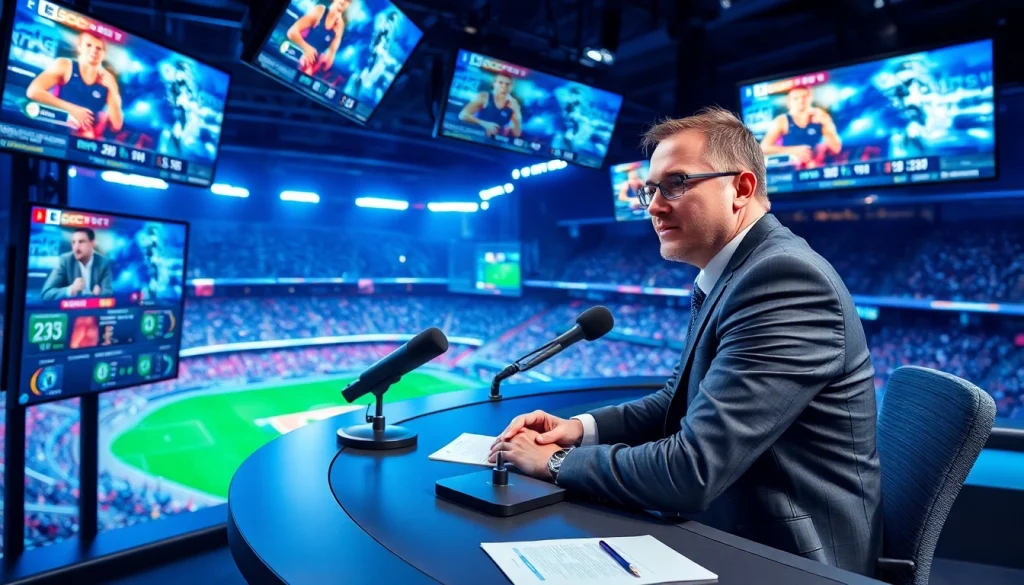
Understanding the Landscape of Sports Broadcasting
Overview of Sports Broadcasting Industry
The world of Sports Broadcasting has transformed dramatically over the past few decades. Once dominated by traditional television networks, it has morphed into a multifaceted industry leveraging advancements in technology, digital platforms, and viewer engagement strategies. This transformation has increased accessibility to sports content, broadened audience demographics, and enhanced viewing experiences.
In today’s landscape, sports broadcasting is not just about airing live events; it encompasses a range of platforms and formats, from streaming services to social media snippets that cater to varied viewing preferences. The industry’s growth correlates with technological innovations that allow viewers to engage with content beyond conventional television. As we delve deeper, we will unpack the industry’s key players, stakeholders, and the technological advancements shaping its future.
Key Players and Stakeholders
At the heart of sports broadcasting lies a complex web of key players and stakeholders including broadcasters, production companies, sports leagues, and advertisers. Networks traditionally held dominance, but with the rise of digital platforms, new competitors have emerged, reshaping the competitive landscape. Big tech companies have made inroads, partnering with sports leagues to deliver exclusive content that appeals to younger audiences.
Additionally, production companies have become essential in delivering high-quality coverage and innovative content formats. Stakeholders also include sponsors and advertisers who recognize the vast audience reach and engagement potential that sports broadcasts provide, making the economic impacts on sports broadcasting especially significant.
Technological Advancements Shaping Sports Broadcasting
As technology advances, so does the fabric of sports broadcasting. The shift from traditional broadcasting to digital streaming has redefined how audiences consume content. High-definition broadcasts, surround sound, and 4K experiences have enhanced viewer engagement, drawing in audiences who demand more immersive experiences.
Moreover, the increase in mobile viewing has prompted rights holders to prioritize accessibility, enabling fans to watch live broadcasts on the go. Innovations such as Cloud-based broadcasting and Artificial Intelligence for content personalization are also pivotal in shaping the future of sports broadcasting.
Key Aspects of Sports Broadcasting
Live Event Coverage Techniques
Effective coverage of live sporting events blends technology, artistry, and audience engagement. Techniques like multiple camera angles, aerial drones for breathtaking views, and live graphics displaying real-time statistics are pivotal in creating engaging broadcasts. Interactive features such as “choose your camera” options are becoming increasingly popular, allowing viewers to tailor their viewing experiences.
In-game analysis presented through augmented reality overlays enhances understanding, creating a richer narrative for viewers who aren’t experts in the sport being broadcast. This comprehensive approach to live coverage endeavors to maintain viewer interest and enhance engagement, crucial for retaining audiences in a competitive market.
Role of Commentary and Analysis
Commentary is fundamental in sports broadcasting. The ability to provide insights, context, and entertainment is what distinguishes an engaging broadcast from a mundane one. Expert commentators bring knowledge and charisma, helping to create a narrative that aids viewers in understanding the game better.
Post-game analysis further enriches the viewing experience, offering audiences breakdowns of pivotal moments. Utilizing analytics, commentators can discuss player statistics and strategic decisions, engaging both casual viewers and hardcore fans, thereby attracting a diverse audience base.
Importance of Viewer Engagement
In an age where viewer loyalty is fragile, engaging audiences is paramount. Methods like interactive polls during broadcasts, real-time social media integration, and viewer-generated content keep sports audiences invested and promote discussions around programming. These strategies encourage greater participation, creating communities that extend beyond the broadcast.
Moreover, viewer feedback is increasingly valuable. Broadcasters analyze social media trends to adjust content in real-time, tailoring experiences to meet audience expectations. Engagement is no longer a one-way street; instead, it fosters a relationship between broadcasters and viewers that can lead to sustained loyalty.
Innovations in Sports Broadcasting Technology
Impact of Streaming Services
The rise of streaming services has fundamentally altered how sports content is consumed. Platforms such as subscription services have grown in popularity, allowing users to watch live events without a cable subscription. This shift has led to the growth of direct-to-consumer models, enabling leagues to connect with fans efficiently.
With streaming, audience targeting has become more sophisticated. Services often utilize algorithms to suggest content tailored to viewer preferences, ensuring higher engagement rates. Streaming also facilitates the option for on-demand viewing, further enhancing access and flexibility for sports fans.
Use of Virtual and Augmented Reality
Virtual and augmented reality technologies are revolutionizing spectator experiences. VR enables fans to feel as if they are present at the event, irrespective of their geography. Augmented reality, on the other hand, enhances traditional broadcasts by overlaying digital content, including real-time statistics and visuals onto the live feed, providing viewers with richer contextual experiences.
These technologies cater to the desire for immersive experiences, helping broadcasters attract both existing and new audiences by offering innovative and engaging content delivery options.
Data Analytics in Sports Coverage
The role of data analytics in sports broadcasting cannot be overlooked. By analyzing vast amounts of data, broadcasters can identify trends, preferences, and viewer behaviors that inform programming decisions. These insights allow for targeted advertising, personalized content recommendations, and strategic partnerships that enhance overall viewer satisfaction.
Moreover, real-time analytics during games can provide engaging commentary and insights, offering viewers a dynamic understanding of the sport while it unfolds. This data-driven approach not only elevates on-screen experiences but helps broadcasters stay ahead in a competitive environment.
Challenges Facing Sports Broadcasting Today
Competition from Alternative Media
The explosion of alternative media options poses a significant challenge for traditional sports broadcasters. Social media platforms, user-generated content sites, and other digital mediums provide a constant stream of sports-related information that competes for viewer attention. Broadcasters must adapt, finding innovative ways to combine their content with the interactive and concise nature of alternative media offerings.
Adopting strategies that include short-form content, highlights, and engaging social media interactivity can help broadcasters maintain relevance, particularly among younger audiences who favor digital content consumption.
Regulatory and Licensing Issues
Navigating the complexities of regulatory and licensing issues is another significant challenge for sports broadcasters. Rights to broadcast specific events can be complicated and vary by region, with rights holders needing to engage in negotiations that can be both time-consuming and cost-prohibitive. Compliance with local regulations around advertising and content can add additional layers of complexity that broadcasters must manage effectively.
Understanding emerging regulatory frameworks is crucial as they evolve, particularly in response to new technologies and audience behaviors. Staying versatile while complying with laws can help broadcasters strategically position themselves in a rapidly changing landscape.
Maintaining Audience Loyalty
Engendering customer loyalty in sports broadcasting is challenging in a climate rich with alternatives. Audiences are now selective and weighed against available options, frequently shifting allegiance to competitors who promise better experiences or content. Broadcasters must employ loyalty programs and create distinctive content to foster lasting relationships with viewers.
Engagement strategies that highlight community and interaction, combined with high-quality content tailored to viewer preferences, can lead to a stronger, more loyal audience base.
Future Trends in Sports Broadcasting
Embracing Interactive Broadcasting Features
Future sports broadcasts are likely to heavily emphasize interactivity. Audiences will expect broadcasts that invite participation via polls, predictions, and real-time engagement features. Broadcasters deploying these practices can expect increased viewer satisfaction and engagement.
This trend towards gamification will appeal particularly to younger demographics who seek active roles in their viewing experiences, thereby keeping broadcasters competitive in the evolving market.
Integration of Social Media and Real-Time Updates
Social media has already become an integral part of sports broadcasting. The ability to provide real-time updates, share highlights instantly, and engage with fan discussions creates a multi-dimensional viewing experience. This trend will continue to advance, as broadcasters find new ways to incorporate social media elements into their productions.
Dynamic integration of platform-specific features and tools, such as hashtags or live tweeting during events, will enhance viewer interaction and broaden the reach to new audiences across social platforms.
Predicting Viewer Trends and Preferences
Advanced analytics and AI are paving the way for predictive modeling of viewer behavior, helping broadcasters understand what content resonates most. By leveraging these insights, networks can forecast audience preferences and shape their programming accordingly. Implementing strong metrics to gauge success will be fundamental for future strategies.
This data-driven approach enables broadcasters to tailor experiences, ensuring they meet the evolving demands of audiences and stay ahead of industry trends.
Frequently Asked Questions
What is sports broadcasting?
Sports broadcasting refers to the distribution of live or recorded sports events, news, and analysis through various media platforms, including television, radio, and online streaming services.
How has technology influenced sports broadcasting?
Technology has revolutionized sports broadcasting by introducing streaming services, enhanced viewing experiences through VR/AR, and leveraging data analytics for content personalization.
What role does viewer engagement play in sports broadcasting?
Viewer engagement is crucial, as it fosters loyalty and enhances the overall experience. Techniques like interactive features, social media integration, and personalized content are vital to retaining audiences.
What challenges do sports broadcasters face today?
Broadcasters face challenges such as intense competition from alternative media, navigating regulatory issues, and maintaining audience loyalty in a diverse entertainment landscape.
What trends are shaping the future of sports broadcasting?
Future trends include integrating interactive features, enhancing social media interaction, and employing predictive analytics to tailor content and enhance viewer experiences.