
How to Build an Effective Generateur 3D IA Strategy for Creators in 2026
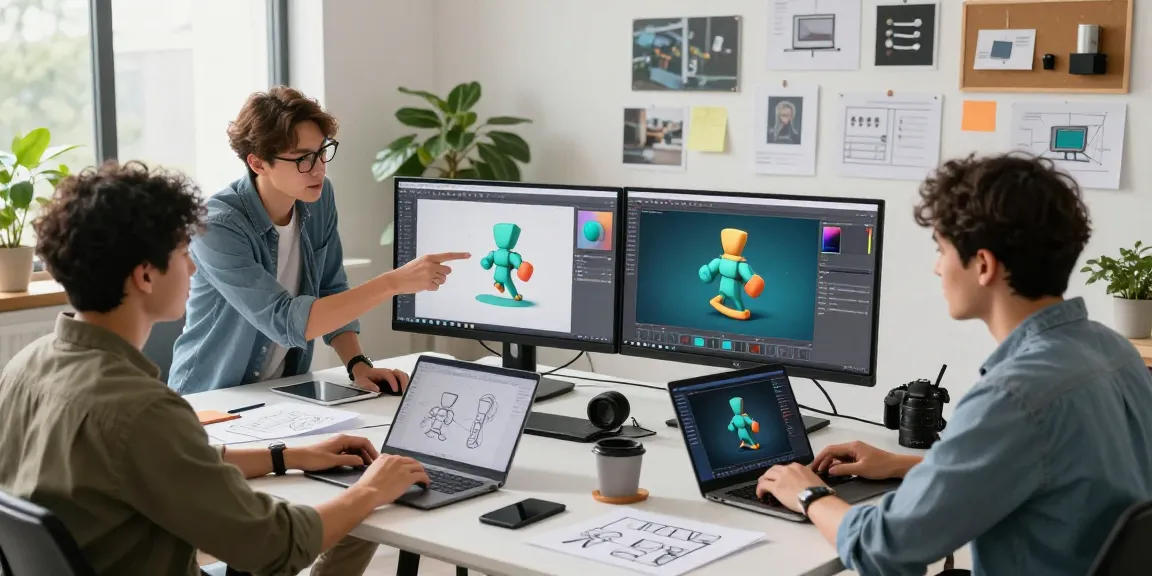
Understanding the Basics of Generateur 3D IA
In today’s digital landscape, the creation of three-dimensional models has become so accessible that it transcends traditional boundaries of design and innovation. The advent of the generateur 3D IA allows creators to transform their ideas into tangible 3D assets in mere minutes, making it an invaluable tool across various industries such as gaming, film, education, and product design. By harnessing artificial intelligence, these generators automate complex processes that once required extensive knowledge and skill, thus democratizing 3D modeling for everyone from beginners to seasoned professionals.
What is Generateur 3D IA?
The term « Generateur 3D IA » refers to a suite of artificial intelligence tools designed to streamline the process of creating 3D models from both textual descriptions and images. At its core, this technology leverages deep learning algorithms to analyze input data and produce highly detailed and accurate 3D representations. Whether it’s a simple sketch or an intricate description, these generators can convert creative ideas into robust models ready for various applications, such as virtual reality environments, video games, and 3D printing.
Key Features of AI-Driven 3D Generators
- Text-to-3D Conversion: Users can generate 3D models by simply describing them in words, facilitating a faster and more intuitive design process.
- Image-to-3D Transformation: Existing 2D images can be transformed into three-dimensional models, making it ideal for artists looking to bring their illustrations to life.
- Automated Texturing: Advanced AI algorithms can automatically apply realistic textures, which enhances the visual appeal of the models.
- Optimized Mesh Topology: The generators optimize models for performance, ensuring they are ready for production without the need for manual adjustments.
- Export Flexibility: Generated models can be exported in various formats, including FBX, OBJ, and STL, making them compatible with most 3D software and platforms.
Benefits for Different Industries
The impact of Generateur 3D IA is profound across multiple sectors. For instance, game developers can create intricate character models and environments quickly, leading to faster project timelines and enhanced creativity. The education sector benefits by providing students with tools to visualize concepts in 3D, making learning more interactive and engaging. Similarly, businesses in product design can prototype ideas swiftly, reducing time-to-market and costs associated with traditional modeling methods.
Getting Started with Generateur 3D IA
Embarking on your journey to create stunning 3D models using Generateur 3D IA can be incredibly rewarding. However, it’s essential to understand the tools and processes involved to maximize your experience. The following sections will guide you through the initial steps required to start your first project.
Choosing the Right Tools and Software
Before diving into 3D modeling, it’s crucial to select the appropriate tools and software that complement your workflow. Many software solutions now incorporate AI-driven features, allowing for better integration and efficiency. For instance, 3D AI Studio offers a comprehensive toolkit that caters to various skill levels, ensuring that both amateurs and professionals can find their footing easily.
Initial Steps to Create Your First 3D Model
Creating your first 3D model with Generateur 3D IA is a straightforward process. Start by selecting your input method, whether it be a textual description or an image. Next, adjust any parameters required for your specific project, such as model complexity and texture details. Once you’re satisfied with your settings, initiate the model generation, and within moments, you’ll have your 3D asset ready for further refinement or export.
Common Challenges and Solutions
Despite the ease of use, beginners may encounter challenges when first using a 3D generator. Common issues include unclear inputs leading to unsatisfactory models or difficulties in exporting files. The key is to ensure that your input—whether image or text—is as detailed as possible. Additionally, familiarizing yourself with troubleshooting resources and community forums can provide valuable insights and solutions.
Optimizing Workflows with Generateur 3D IA
Efficiency is paramount in any creative workflow, and integrating Generateur 3D IA can significantly enhance productivity. By leveraging AI for model creation, designers can focus more on the creative aspects rather than the technical intricacies, allowing for a seamless design process.
Streamlining the 3D Creation Process
One of the most compelling benefits of using AI generators is the ability to significantly reduce the time spent on traditional modeling tasks. Instead of dedicating days or weeks to create a model from scratch, users can generate high-quality outputs in just a few minutes. This shift not only accelerates project timelines but also creates opportunities for more iterations and creative exploration.
Integrating AI into Existing Projects
Integrating Generateur 3D IA into ongoing projects can also be done smoothly. Whether you are enhancing existing models or creating new assets that align more closely with a project’s vision, the adaptability of AI tools makes it easy to incorporate them into your existing workflows. For example, by using AI for rapid prototyping, teams can quickly gather feedback and make adjustments accordingly, ensuring the final product meets quality standards.
Measuring Efficiency and Effectiveness
It’s essential to measure the impact that AI tools have on your workflow. Keep track of how much time is saved in model creation and how that translates to project outcomes. Using metrics like turnaround times, model quality, and team satisfaction can help assess the effectiveness of integrating Generateur 3D IA into your processes.
Advanced Techniques for Serious Creators
For dedicated creators looking to push the boundaries of what is possible with 3D modeling, the following advanced techniques can help unlock the full potential of Generateur 3D IA.
Exploring Text to 3D and Image to 3D Capabilities
The sophistication of today’s AI-driven tools enables creators to experiment with both text-to-3D and image-to-3D capabilities concurrently. By exploring these functionalities, artists can generate unique models flavored with their creative inputs, leading to innovative designs that may not have been possible using traditional methods.
Using Textures and Mesh Optimization
Textures play a critical role in defining the realism and appeal of 3D models. Leveraging AI for texture generation not only enhances the visual quality but also allows for custom textures that align perfectly with the vision of your project. Furthermore, AI can be used for mesh optimization, ensuring models are lightweight yet detailed, suitable for various applications from gaming to VR environments.
Innovative Applications in Various Industries
Beyond gaming and design, the capabilities of Generateur 3D IA can be applied in fields such as architecture, healthcare, and virtual reality. For instance, architects can create 3D visualizations of their designs quickly, while medical professionals can develop detailed anatomical models for educational purposes. The versatility of these tools opens new avenues for innovation across diverse domains.
Future Trends in 3D Modeling AI
The evolution of 3D modeling AI is poised to continue at an accelerated pace. As technology advances, the capabilities and applications of these tools will expand, offering unprecedented opportunities for creators worldwide.
Predictions for 2026 and Beyond
Looking towards 2026, we can expect significant advancements in AI-driven 3D modeling capabilities. These may include greater automation in design processes, more intuitive user interfaces, and enhanced collaboration tools that allow multiple creators to work on a project simultaneously, regardless of location.
Emerging Technologies Enhancing 3D Generation
Technologies such as augmented reality (AR) and virtual reality (VR) will play crucial roles in the future of 3D modeling. By integrating AI with AR/VR, creators can not only visualize but also experience their models in real-time, leading to more interactive and immersive design processes. This combination will be particularly transformative in industries like education and training, where practical experience is paramount.
Preparing for the Next Wave in Design Automation
As we move towards an increasingly automated design landscape, it’s essential for creators to stay informed about emerging trends and technologies. Embracing a mindset of continuous learning and adaptation will be vital to leverage the full potential of Generateur 3D IA and maintain a competitive edge in the ever-evolving creative industry.
What is the cost of using a Generateur 3D IA?
The cost of using various generateur 3D IA platforms can vary significantly based on the complexity of the models generated and the number of credits required for each task. Pricing structures may include pay-per-use models, monthly subscriptions, or bundles that cater to professional users versus hobbyists. Understanding the pricing model is crucial before committing to a specific tool.
Can I use 3D models for commercial projects?
Yes, most platforms that offer generateur 3D IA grant users the rights to utilize the generated models for commercial purposes. This means that creators can incorporate their 3D assets into games, applications, marketing materials, and more, allowing for a lucrative return on investment.
How to integrate Generateur 3D IA into my existing applications?
Integrating a 3D generator into your existing applications typically involves using an API provided by the platform. Most APIs offer straightforward documentation and guidelines to help developers embed generative features directly into their applications. By doing so, organizations can enhance their offerings and improve user experiences.
What are the best practices for generating 3D models?
To ensure the highest quality outputs when using a generateur 3D IA, several best practices should be observed: provide clear and concise input descriptions, use high-quality images for conversions, and fine-tune the model parameters to align with your project requirements. Regularly reviewing and iterating on your outputs will also lead to improved results over time.
How does the AI ensure quality in output?
Quality assurance in AI-generated models typically relies on machine learning algorithms that have been trained on vast datasets. By continuously learning from user inputs and generated outputs, these systems refine their processes to produce increasingly accurate and detailed models. Regular updates and improvements to the underlying algorithms also contribute to maintaining high standards in output quality.